DIY strategy
What to Build vs. What to Buy
The best DIY gym is selective. Custom-build low-risk utility; buy the pieces whose failure could drop, trap, or strike a person.
Follow the consequence of failure
A storage cubby that cracks is inconvenient. A suspended anchor that fails is an emergency. The more severe the failure, the stronger the case for rated commercial equipment, professional fabrication, and documented installation.
This rule matters more than whether a project appears simple on video.
Good DIY candidates
Sleds, pulling blocks, wedges, carts, shelves, plate organizers, timer stands, and mobility tools reward custom dimensions. Their wear points can usually stay visible and serviceable.
A good build also has a conservative testing path: it can be proof-tested with dead weight close to the floor before a person depends on it.
Better purchases
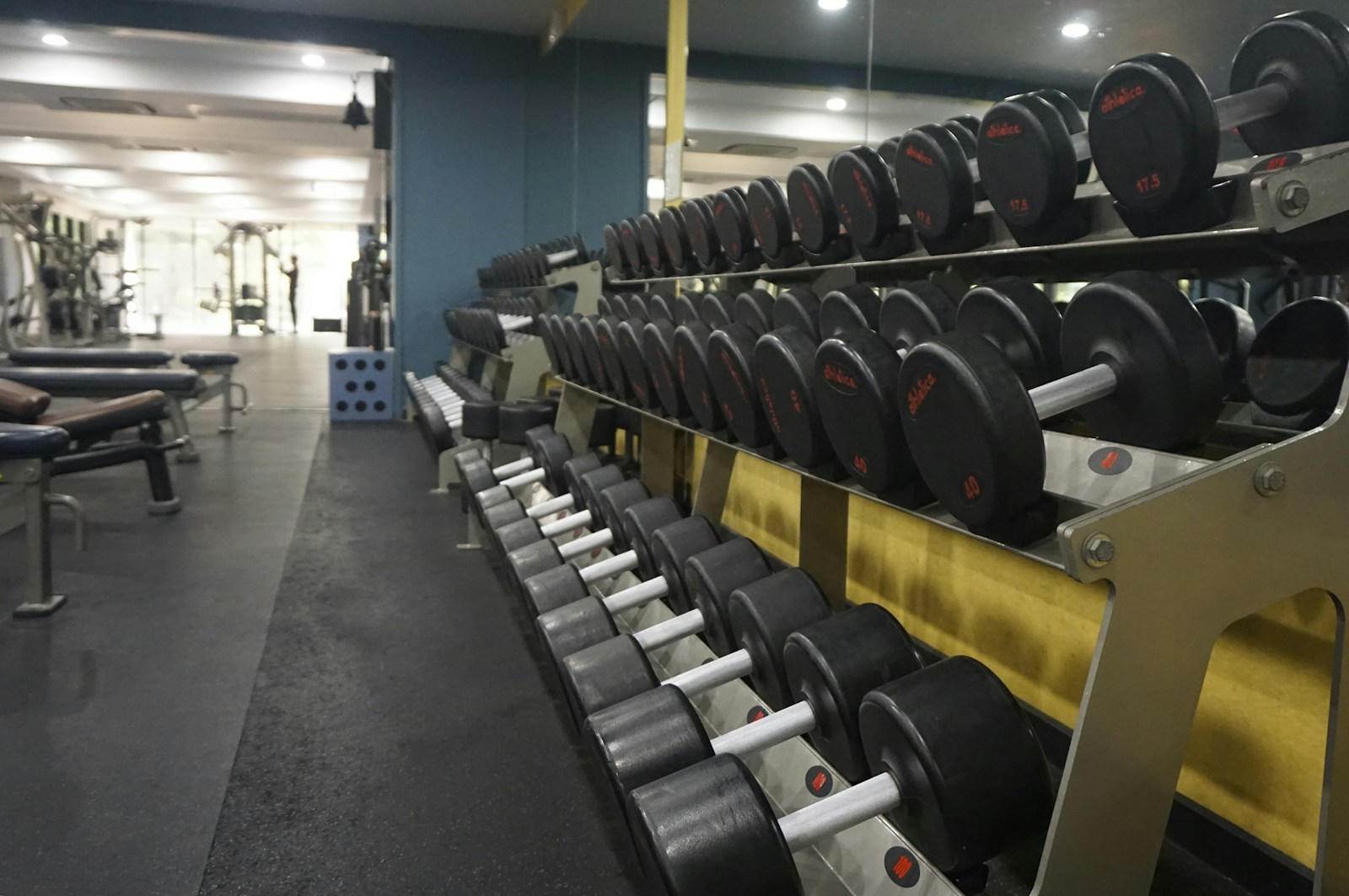
Racks, benches, bars, lifting straps, ring anchors, high-speed mechanisms, and welded human-supporting frames should come with published capacities and instructions. Used equipment can still be excellent, but it needs complete parts and an inspectable history.
The purchase price includes engineering, consistency, documentation, and recourse—not just material.
Design every build for inspection
Hide cosmetic fasteners if you want; do not hide the load path. Wear surfaces, knots, bolts, and structural joints should be visible and replaceable.
Label the intended use and first-use date. Stop when a material changes shape, texture, sound, or alignment.