Cost & buying
What a Home Gym Actually Costs in 2026
The rack is rarely the budget problem. Delivery, flooring, storage, and abandoned purchases are where a sensible plan starts to drift.
Start with the room, not the catalog
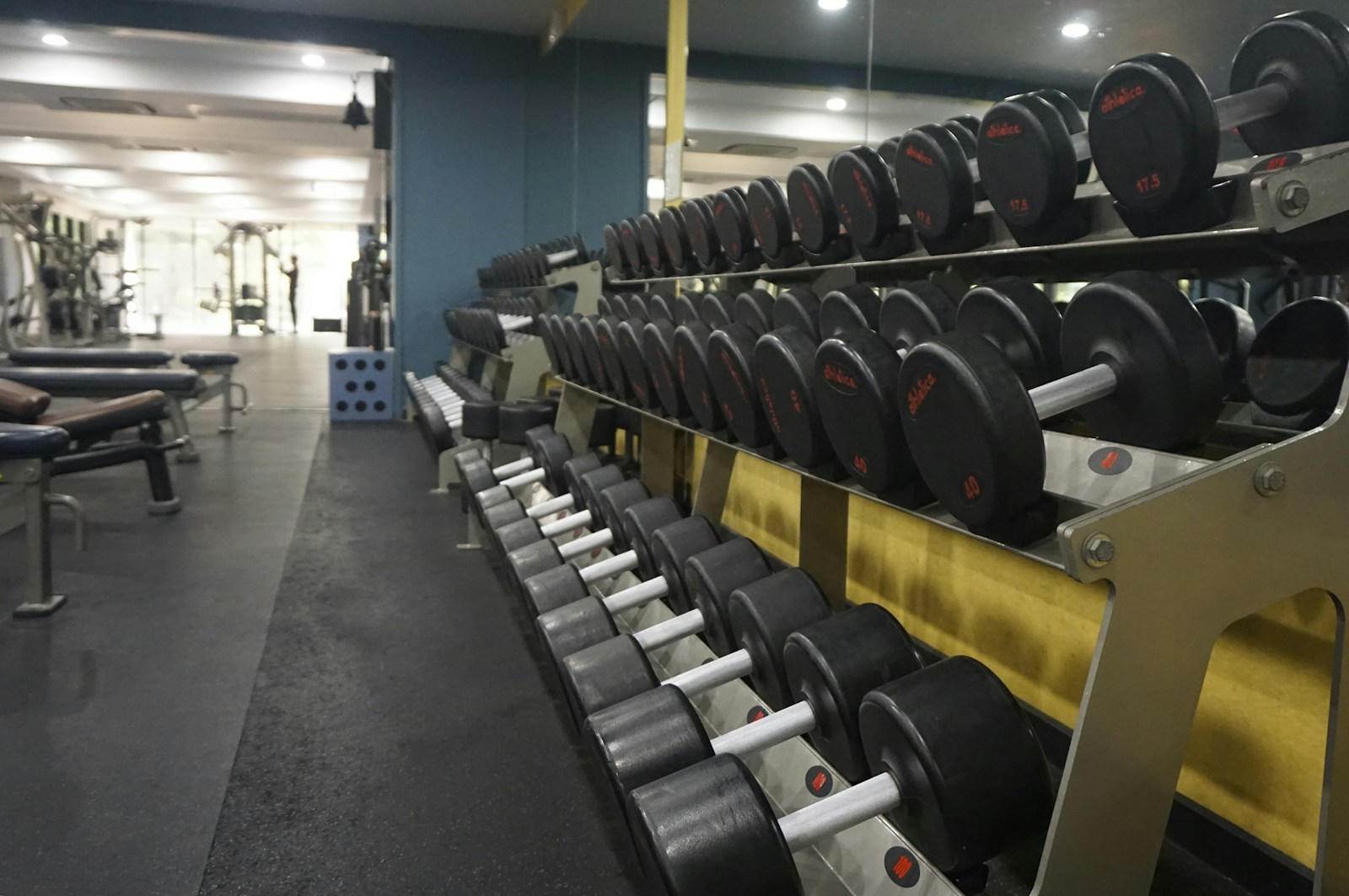
A useful budget begins with the usable inside dimensions of the room. Doors, cars, water heaters, stairs, low ceilings, and required walkways all subtract from the advertised square footage. Once those constraints are marked, the equipment list usually becomes shorter and better.
Reserve open floor before placing any equipment. A home gym that cannot accommodate carries, warm-ups, mobility work, and a clear path to the exit will feel cramped even when every individual purchase technically fits.
The four costs people forget
Floor protection, freight, assembly hardware, and storage are real equipment costs. They are also the line items most likely to be added after the main purchase, when the budget has already been spent.
Plan roughly ten to twenty percent of the starting budget for those supporting pieces. In a garage, ventilation, lighting, and moisture control can matter more to daily use than another attachment.
A realistic starter range
A compact bodyweight or dumbbell setup can be genuinely useful below one thousand dollars. A barbell-centered gym with a commercial bench, rated rack, plates, and proper flooring more often lands between fifteen hundred and four thousand dollars before premium cardio.
The right number is not the largest number you can afford. It is the smallest complete system that supports the next thirty workouts without forcing an immediate second round of purchases.
Where DIY changes the math
DIY is strongest for storage, sleds, simple blocks, platforms, and organizers where dimensions matter and failure does not suspend a person. Buy rated racks, benches, bars, anchors, and human-supporting hardware. That split preserves both savings and safety.