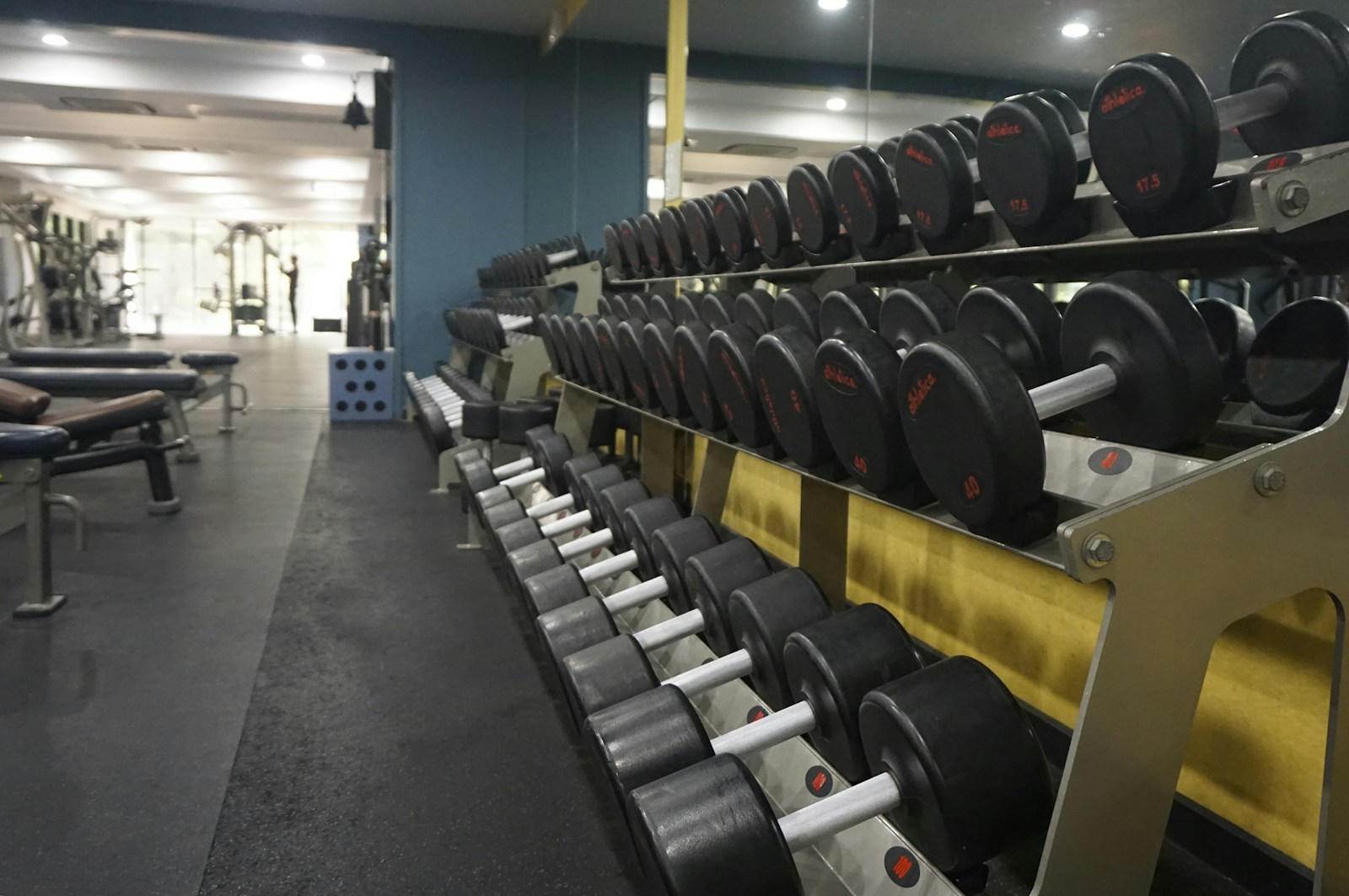
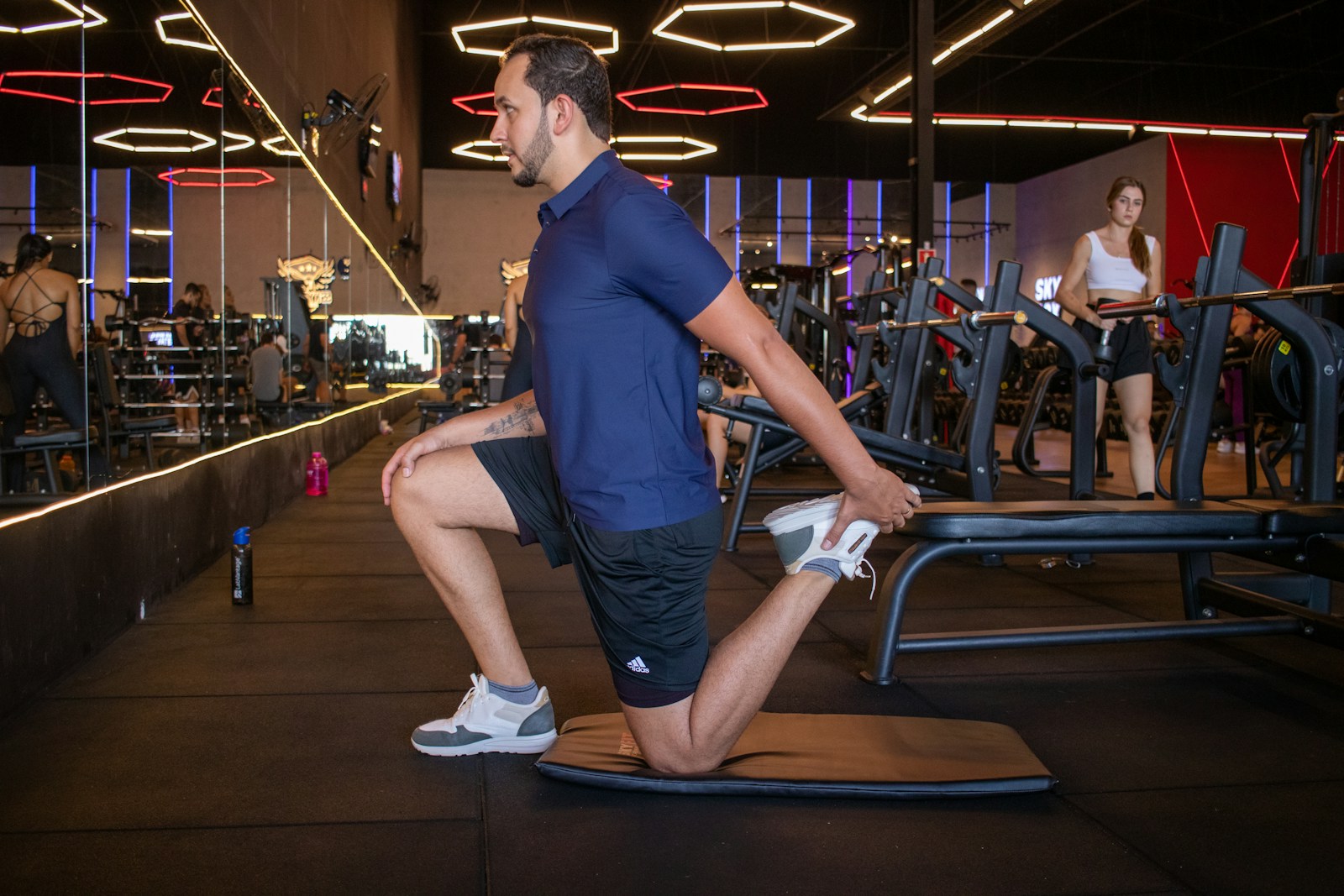
Training habits
The 30-Workout Rule Before Buying More Equipment
A short usage log is a better buying guide than a wish list. Thirty workouts reveal what the room and the program actually need.
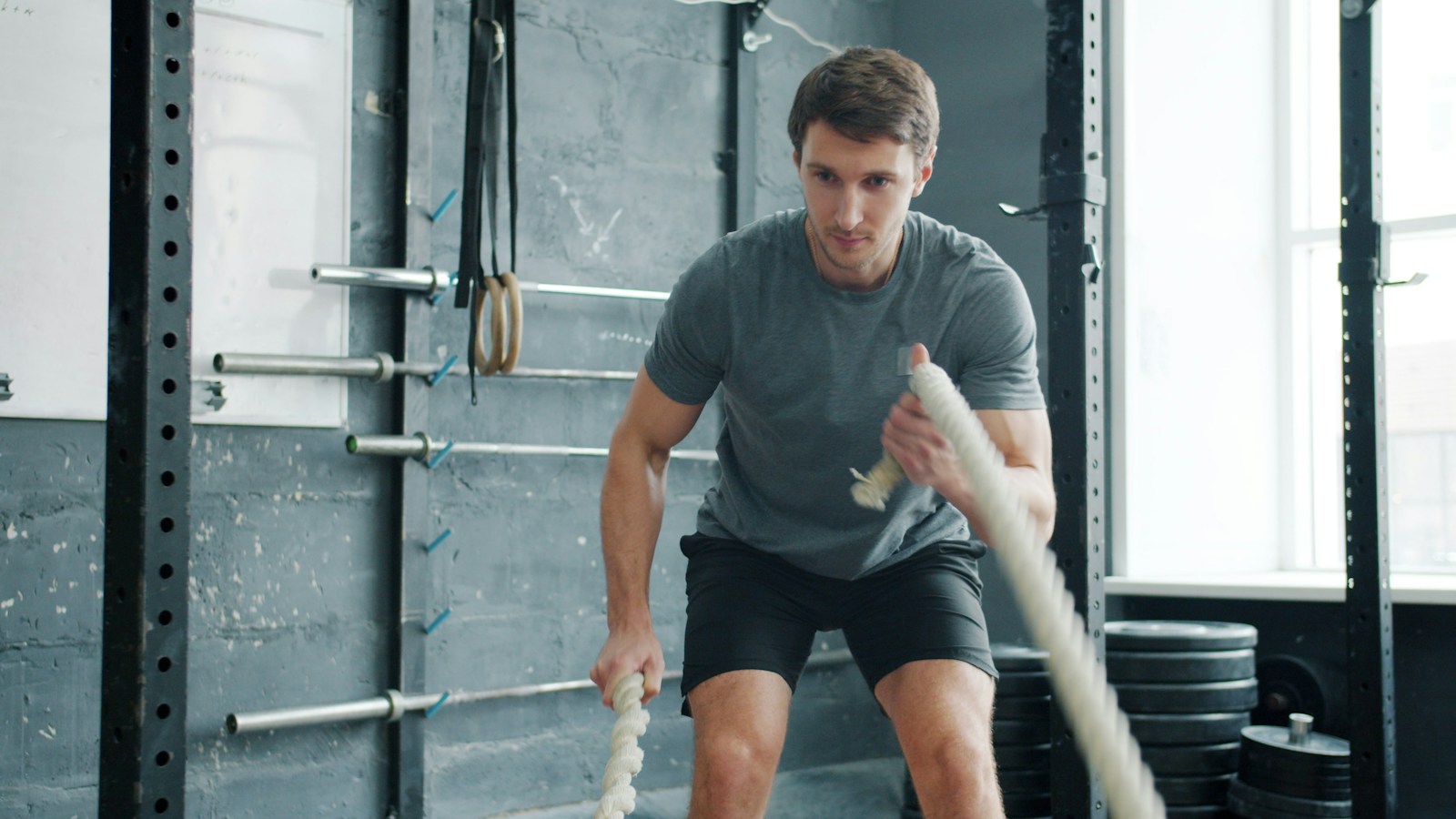
Make the current setup earn the upgrade
For thirty sessions, record the movement you wanted to perform, the equipment you used, and anything that interrupted the workout. A pattern will appear quickly: the same bottleneck, missing increment, storage problem, or setup delay repeats.
Buying before that pattern exists turns imagined workouts into permanent floor space. Waiting creates evidence.
Track friction, not motivation
The most valuable notes are practical. Did changing plates take too long? Was the bench always in the way? Did bands lack a safe anchor point? Could two people train without crossing each other’s movement path?
These are design questions. Solving one repeated source of friction can improve more workouts than adding a new exercise category.
Use a replacement test
Every proposed purchase should replace a recurring workaround, unlock a programmed movement, or improve safety. If it does none of those things, it belongs on a later list.
When two products solve the same problem, favor the one with a smaller stored footprint, clearer published capacity, replaceable wear parts, and a return path.
Turn the log into a buying order
Rank needs by frequency multiplied by consequence. A bench that rocks every session beats a specialty handle used once a month. A storage change that clears the exit beats decorative wall treatment.
The result is a calmer gym and a sequence of purchases tied to actual behavior.