Space & layout
Why Vertical Storage Beats a Bigger Room
Floor space is the expensive part of a gym. A disciplined wall and storage plan can make a small room train like a much larger one.

Treat the floor as training equipment
Open floor supports warm-ups, carries, mobility, conditioning, and safe approaches to loaded equipment. Every item left on it has an opportunity cost, even when the item itself was inexpensive.
A layout should therefore protect a central movement zone before assigning storage.
Store by weight and frequency
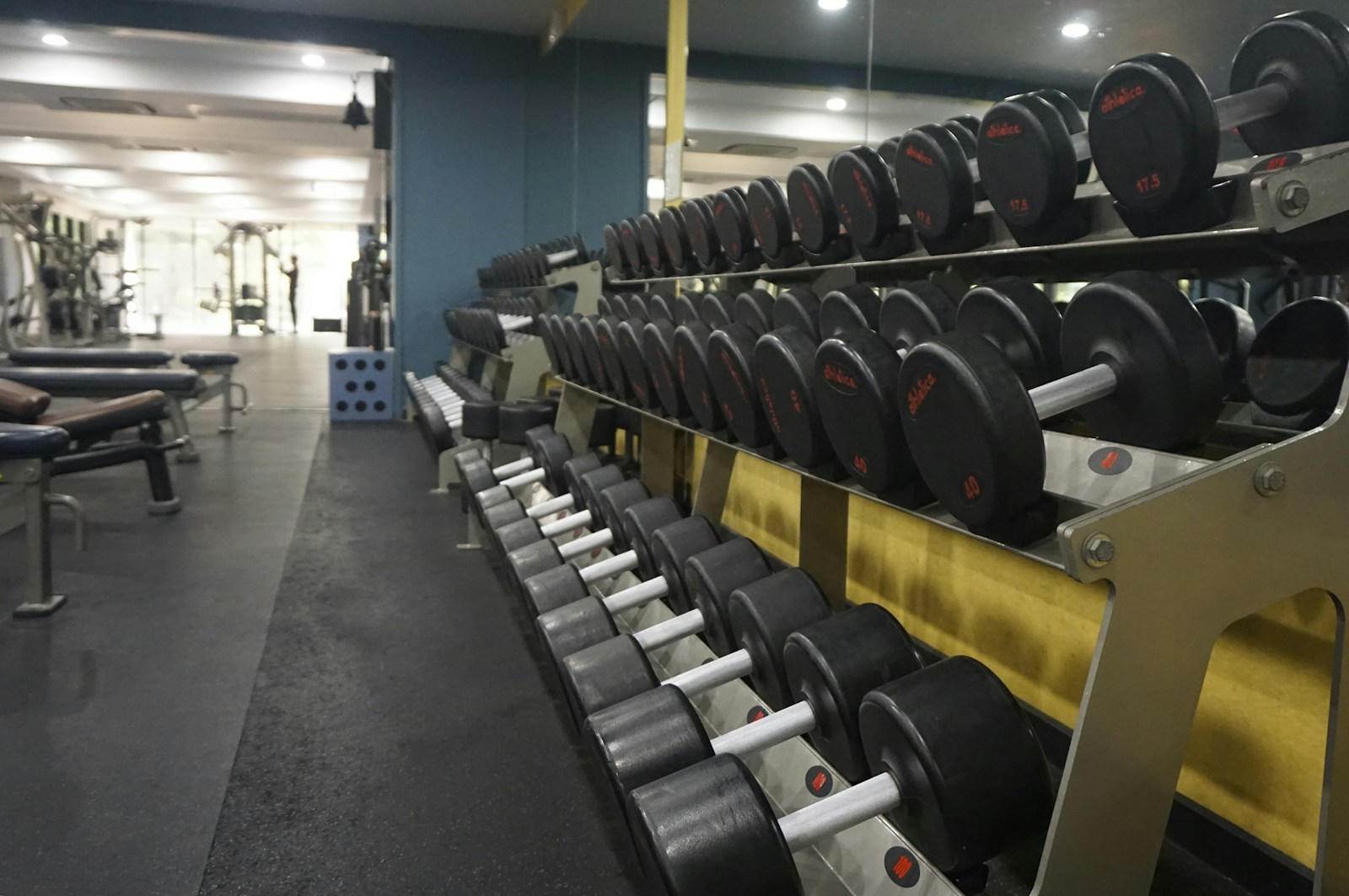
Heavy plates, kettlebells, and sandbags stay low. Frequently used bands, collars, and small handles should be visible at hand height. Rarely used light items can move higher.
This order reduces bending, prevents unstable overhead loading, and makes cleanup obvious.
Use depth before width
Shallow vertical racks, wall rails, and narrow rolling carts use the perimeter without creating deep obstacles. Equipment that projects into a walking path should be marked and protected at shin and head height.
Any wall-mounted system still depends on the actual wall construction. Use manufacturer instructions or qualified help rather than improvising anchors.
A larger room can hide a worse system
Extra square footage often becomes unplanned storage. A smaller room with fixed homes for every object resets faster and keeps the next workout accessible.
The test is simple: can the room return to ready state in under two minutes?