Project guide
Tire Flip Lane
Create a drained, edged outdoor lane that protects the tire, the ground, and nearby walls.
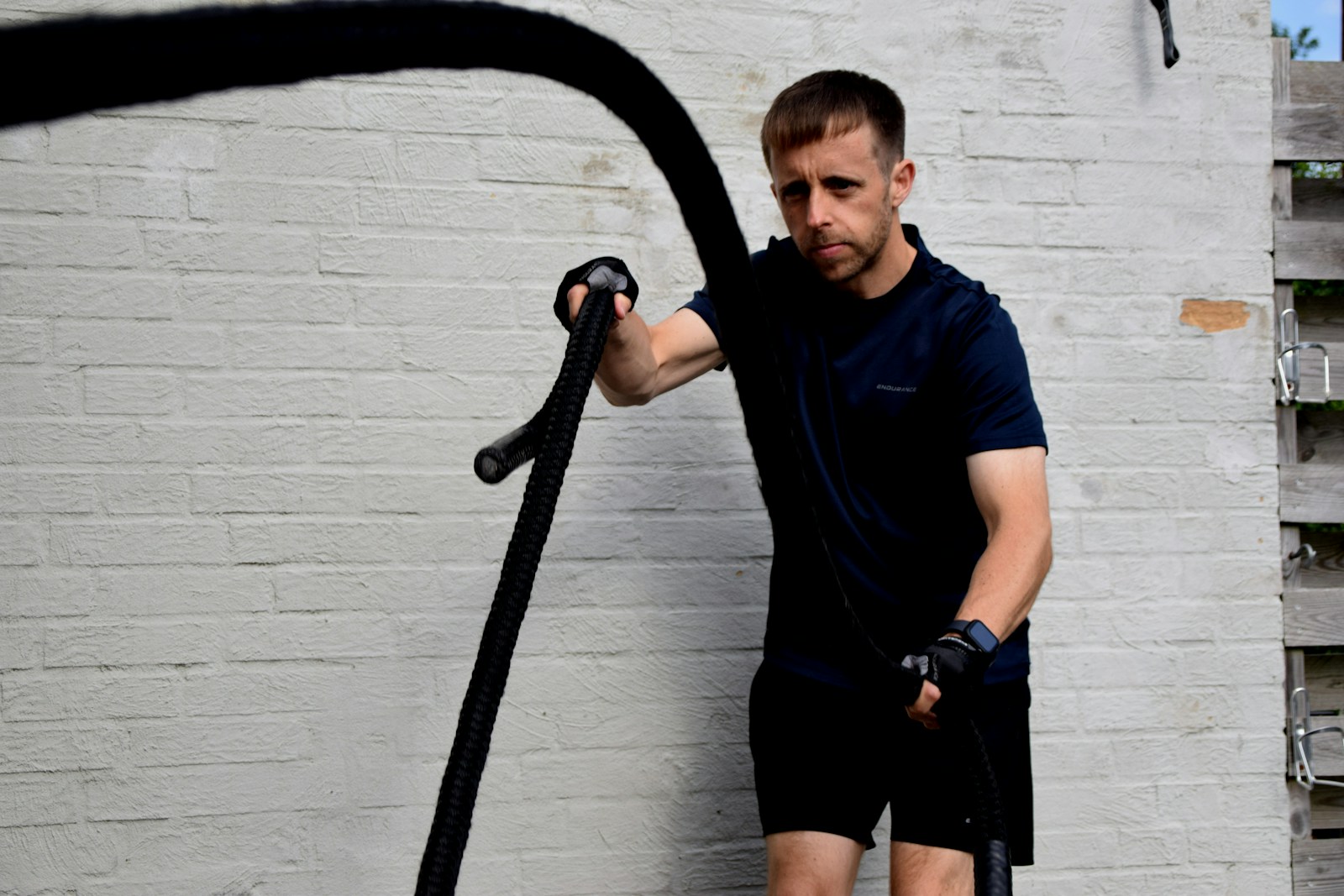
A premium DIY build should be easier to inspect, repair, and live with than the bargain version it replaces. This guide keeps the load path visible and the dimensions tied to your actual space.
Build the version worth keeping
Cheap DIY becomes expensive when it wobbles, frays, traps fingers, or gets rebuilt twice. Prioritize serviceable parts, smooth contact surfaces, visible inspection points, and a conservative test plan.
This is a comparatively low-risk build, but it still needs smooth edges, stable footing, and a pre-use inspection. Stop using it when any material changes shape, texture, or fit.
Materials and tools
- landscape edging
- compacted stone
- rubber pavers
- marking paint
- Measuring, marking, and edge-finishing supplies
- Labels for date, intended use, and inspection notes
Build sequence
- 01
Plan the fit
Choose a level zone with drainage, clear overhead space, and generous distance from people, glass, and vehicles.
- 02
Prepare the parts
Prepare the base so water cannot pool under the equipment or create a slippery approach.
- 03
Build the load path
Use exterior-rated materials and isolate dissimilar metals where corrosion could develop.
- 04
Finish the contact points
Add chocks, edging, or restraints that keep the equipment inside its intended footprint.
- 05
Test and document
Inspect after storms and seasonal temperature changes; remove the station from service if the ground shifts.
Before the first workout
- Nothing rocks, twists, binds, or exposes a sharp edge.
- Wear parts can be inspected and replaced without rebuilding the frame.
- The load path uses rated hardware or professional fabrication where consequences are high.
- The finished footprint includes safe approach, movement, and fall or swing clearance.
- A first-use date and inspection interval are visible on the equipment.