Project guide
Rope Climb Station
A high-clearance rope station that uses a rated rope, protected termination, and professionally verified overhead structure.
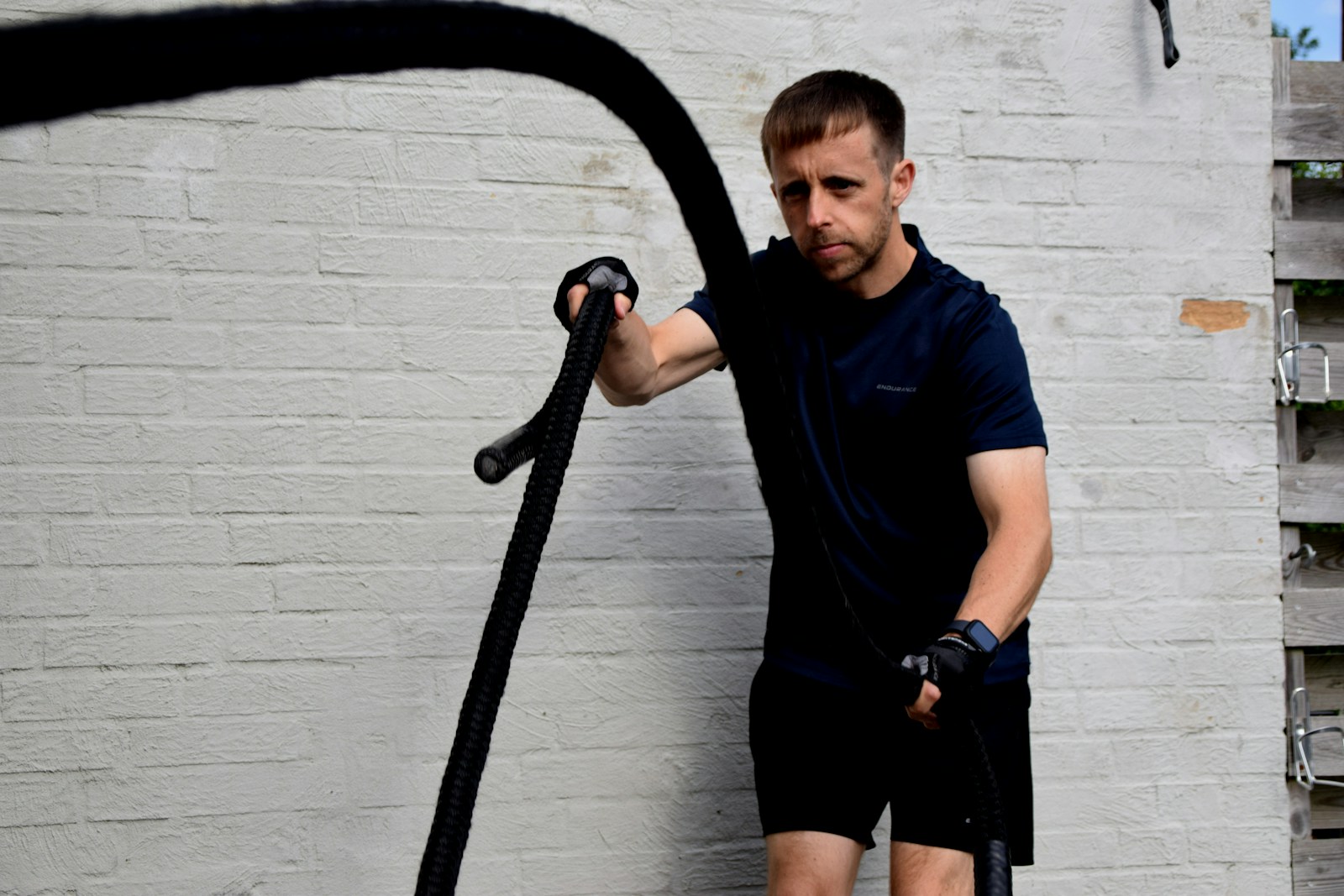
A premium DIY build should be easier to inspect, repair, and live with than the bargain version it replaces. This guide keeps the load path visible and the dimensions tied to your actual space.
Build the version worth keeping
Cheap DIY becomes expensive when it wobbles, frays, traps fingers, or gets rebuilt twice. Prioritize serviceable parts, smooth contact surfaces, visible inspection points, and a conservative test plan.
This is a high-consequence project. The guide is a planning brief, not an engineering specification. Use rated components and qualified fabrication or installation anywhere failure could drop, strike, trap, or suspend a person.
Materials and tools
- rated climbing rope
- certified attachment hardware
- post system
- fall surface
- Measuring, marking, and edge-finishing supplies
- Labels for date, intended use, and inspection notes
Build sequence
- 01
Plan the fit
Map the complete load path from the user through the equipment and into the ground or building structure.
- 02
Prepare the parts
Select rated equipment and have a qualified installer specify foundations, anchors, and clearances.
- 03
Build the load path
Prepare drainage, fall surface, access, and exclusion zones before installation begins.
- 04
Finish the contact points
Install to the approved plan and document every concealed connection before it is covered.
- 05
Test and document
Commission with a controlled proof test and schedule periodic inspection of anchors, corrosion, and movement.
Before the first workout
- Nothing rocks, twists, binds, or exposes a sharp edge.
- Wear parts can be inspected and replaced without rebuilding the frame.
- The load path uses rated hardware or professional fabrication where consequences are high.
- The finished footprint includes safe approach, movement, and fall or swing clearance.
- A first-use date and inspection interval are visible on the equipment.